Tuesday, April 10, 2018

Dental Health for Seniors

Today, life expectancy is longer than ever before.  Many of us can expect to live active and vibrant lives well into our golden years.  Through exercise and healthy living our bodies are able to help us continue to enjoy many of the activities that we love; although maybe at a slower pace!

As part of your health care team, we at Dr. Ian Gray Dental do our best to make sure your teeth and mouth can keep pace with your active lifestyle and not slow you down or get in the way.  
By far, the most successful approach to ensure your teeth and mouth can keep up with your active lifestyle as you get older is 

  1. Great home care with brushing and flossing  
  2. Maintain you professional hygiene appointments - 3 to 4 month intervals is ideal 
  3. Use a grinding appliance if recommended 
  4. Be aware of how your medications can affect your mouth – individual recommendations will be helpful in many cases.
Many of our patients avoid having dental work done while they are younger for reasons of cost and time or are not motivated because many significant changes occur slowly over time and do not hurt, only to find that problems become magnified with age.  Often at an older age it is difficult medically to have certain treatments or physically it is tough to be in the dental chair for extended time periods.  Some patients will even reason that “I am too old to spend the money because I won’t be around long enough”.  As a result, rather than being active and vibrant many patients suffer quietly and don’t enjoy life the way they could.  Proper oral function including chewing, talking and smiling are vital for overall health and well-being.  Without good nutrition it is easy to decline at an older age.

Our philosophy at Dr. Ian Gray Dental is to encourage our patients to work to make their mouth stable by the time they are 65yrs old.  Our definition of stable is “to require very little dental work, if at all, other than maintenance “.  This is entirely possible but does require some effort and planning.   

If you think it is time to do some long term planning for your mouth please give us a call.  Please also remember if you have an aging parent, sibling or other friend or relative that they may be great at getting to medical appointments while dental care is often forgotten. A great question to ask is when they last had their teeth and gums checked?

Tuesday, April 3, 2018

Causes of Bad Breath & Foods to Help Fight It!

Have you been wondering what causes bad breath?  Do you want to know how to fight bad breath?  Maintaining your oral hygiene regularly, is essential to fighting bad breath, but so is regularly visiting your dentist or hygienist in order for routine check-ups.

At Dr. Ian Gray, we have a great team that can help you maintain your oral health and eliminate bad breath!  We are a family friendly dentist in Newmarket.

The most common cause of bad breath is poor dental hygiene.  Every time you eat, bacteria breaks down the particles in food, and sulfur compounds are produced that cause odor.
There is a large list of causes of bad breath, including smoking, tooth decay, and alcohol consumption. Even certain foods like garlic, onions, curry, fish, and some cheeses take up to 24 hours to be removed from our blood system, which can cause bad breath for extended periods of time.
Bad breath affects 25% of the world’s population globally, so if you experience it, know that you are not alone. Keep reading to learn how to fight bad breath!

How do I treat bad breath?

The best way to deal with bad breath is brushing, flossing, and hydrating your teeth regularly.  Visiting your dentist regularly for checkups and cleaning also helps to eliminate bad breath.  Your dentist will remove any plaque, tartar, and buildup that causes bad breath. You should always inform your dentist if you are experiencing bad breath, or have a bad taste in your mouth as there could be underlying reasons.
Eating certain foods also can help eliminate odors in your mouth.  Foods like lemon, parsley, apples, pears, carrots, crunch oils, mint, berries and yogurt, all facilitate the production of essential oils in your mouth and remove food particles from your mouth.

Drinking lots of water also helps the production of saliva and eliminates bad breath by washing away bacteria in your mouth.
Take charge of your bad breath. Book an appointment with our family friendly dentistry office in Newmarket today by filling out a form or calling the office

Tuesday, March 27, 2018

Effects of Oral Piercings on Your Oral Health


Are you or a family member thinking of getting an oral piercing?

Many teenagers look for ways to express themselves uniquely, and some choose body art as their outlet. Although tongue, cheek, and lip rings can look cool, oral jewelry can cause major negative effects on your oral health during the procedure and afterwards.

Negative Effects of Oral Piercings

Aside from giving you bad breath, piercings can also cause major damage to your teeth and overall well-being. Here are just some potential negative effects:

  • Infection & Bad Breath
  • Swelling & Nerve Damage
  • Chipped or Cracked Teeth
  • Interfere with Normal Oral Function
  • Interfere with Oral Health Evaluation
  • Piercings can block transmission of x-rays which are often a necessary part of an oral health evaluation. Piercings can sometimes "hide" cysts, abscesses, or tumors.

Is it worth the risk?

While a piercing can act as a fashion statement and drastically alter your look, there are also more dangerous implications involved as well.

If you do decide to get a piercing, make sure to follow these cautionary tips. Rather than relying on a friend, make sure you get your piercing professionally done and ask about the salon's sterilization methods. Whoever is performing the procedure should be knowledgeable and able to answer any questions you may have and know about proper aftercare.

Make sure to also ask for a Public Health services inspection certificate, so you know you are in good hands!

Tuesday, March 20, 2018

Is your breath fresh?

One of the most common questions we get is “How can I make sure my breath is always pleasant?”
Many patients come to our office with the complaint of bad breath or a bad taste in their mouth. Fresh breath is something we all want, and is an expected part of our social graces. It’s just as big a part of making a great impression as any other aspect of your smile.
If your oral hygiene is good and you still have trouble with bad breath, you could have gum disease, which allows more bacteria to build up than you can clean away. Our hygienists can help by thoroughly cleaning around your teeth and gums.  Please make sure to talk to us if bad breath is a concern so we can evaluate your gums.
In certain cases you may be more prone to the bacteria which causes bad breath even if your oral hygiene is good and your gums are healthy. This means you could have a sub-clinical bacterial infection. This is where a large amount of bacteria is present but the inflammatory response within the gums is negligible. We typically investigate by sampling the bacteria in your mouth and having it analyzed at the lab. If the bacteria levels are high, we will treat you with antibiotic rinses to lower the bacteria and allow the healthy type of bacteria in your mouth to repopulate.
In cases where all of our tests are negative we will recommend that you consult your physician for stomach tests.  There are bacteria in the stomach which produce the same compounds as the oral bacteria that causes bad breath, and the cure may lay there.
As we all know certain foods that we eat contribute to bad breath, such and onions and garlic, to name few. These vanish in time and can be eliminated quickly by using sugar-free mints, chewing gum, by brushing your teeth and using a mouth rinse.
Bad breath can also be addressed by maintaining great oral hygiene which keeps the teeth and gums as clean and free of bacteria as possible. Remember to brush your tongue because the tongue has very deep pits and grooves where bacteria can escape lighter cleanings.
If you have any concerns about your breath call us today at (905) 853-9355 or click here  to request an appointment.

Tuesday, March 6, 2018

Rising Number of Cavities in Children

Over the last few years, there has been an increase in the number of cavities found in children. This has resulted in both an increase in the number of teeth that need to be filled as well as the severity of the decay.
It’s important to protect your children from cavities, and we at Dr. Ian Gray would like to offer a few tips to help prevent the progress of tooth decay in young children:
  • Try to avoid putting your baby to bed with a bottle of milk or apple juice.
  • Always ensure that your children rinse with water after a sugary drink or snack.
  • Get your kids in the habit of brushing their teeth twice daily and flossing once.
  • Finally, make sure to schedule a visit to the dentist twice a year so that any issues are identified early and treated properly.
These simple and effective practices will help keep their teeth healthy and strong. Help your kids form good habits early, and their teeth will be far healthier as a result.
To book an appointment at Dr. Ian Gray , click here.

Tuesday, February 27, 2018

The Importance of Smiling!


If you feel great, a smile comes naturally. It's an outward sign of joy, amusement, or excitement. Obviously, it is not natural to smile when we're sad or upset; but it turns out that smiling might be the best thing to do when you're ready to shift into a brighter mood. And it's not just for you; each time you smile at a person, their brain coaxes them to return the favour. You are creating a reciprocal relationship that allows both of you to release 'feel good' chemicals in your brain (endorphins) , activate the reward centres, increase attractiveness and the chances of living longer, healthier lives.

Scientists have found that smiling on purpose can help people feel better. Just the simple act of putting a smile on your face can lead you to feel actual happiness. Smiling on purpose changes brain chemistry.

More serious problems including depression require more than just putting on a smile, and should be discussed with your doctor. But when you are simply looking to improve your mood, smile!

How Smiling Affects Your Brain

Each time you smile you throw a little feel-good party in your brain. The act of smiling activates neural messaging that benefits your health and happiness.

For starters, smiling activates the release of neuropeptides that work towards fighting off stress. The feel good neurotransmitters dopamine, endorphins, and serotonin are also released when a smile flashes across your face. This not only relaxes your body, but it can lower your heart rate and blood pressure.

How Smiling Affects Your Brain

You are actually better looking when you smile - and we're not just trying to butter you up. When you smile, people treat you differently. You're viewed as more attractive, reliable, relaxed, and sincere. A study published in the journal Neuropsychologia reported that seeing an attractive smiling face activates your orbitofrontal cortex, the region in your brain that processes sensory rewards. This suggests that when you view a person smiling, you actually feel rewarded. (How does this affect the body though?)

How Smiling Affects Those Around You

Did you know that your smile is actually contagious? The part of your brain that is responsible for your facial expression of smiling when happy or mimicking another's smile resides in the cingulate cortex, an unconscious automatic response area. In a Swedish study, subjects were shown pictures of several emotions: joy, anger, fear and surprise. When the picture of someone smiling was presented, the researchers asked the subjects to frown. Instead, they found that the facial expressions went directly to imitation of what subjects saw. It took conscious effort to turn their smile upside down. So if you're smiling at someone, it's likely they can't help but smile back. If they don't, they're making a conscious effort not to.

So, the next time someone tells you to "cheer up" when you're in a low mood, own it. Your happiness might end up making that person feel happier too. It's shared!

Tuesday, February 20, 2018

What is Fluoride and Do You Really Need It?

Fluoride: it’s best known for protecting teeth, but just how does it do that?
If you have ever wondered what all the fuss over fluoride is, why your toothpaste contains it, or how much of it you really need, then you have come to the right place! We have demystified fluoride and explained everything you need to know about this tooth-loving mineral.

What is fluoride exactly?

Fluoride is a colourless, naturally-occurring mineral that can be found throughout the Earth’s surface. It can be found in solid, liquid and gas forms and, when applied in small doses, has been proven to strengthen teeth and prevent tooth decay. It’s for this reason that fluoride is often added in very small doses to the drinking water of municipalities as it has been proven to prevent cavities when compared to areas without fluoridated drinking water. 

If you have been to our office at Dr. Ian Gray Dental Group lately for a routine dental checkup, you likely experienced a concentrated fluoride treatment which usually comes in the form of a flavoured foam and is applied to your teeth using dental trays.

How does fluoride protect my teeth?

Fluoride protects teeth in a few different ways. One way is by strengthening the structure of the tooth for small children, which is still in the developmental stages for their teeth enamel. If the right amount of fluoride is applied during this period, the actual structure of the enamel is strengthened and becomes more resistant to acids. This means that, as the child grows, they will have teeth that are better protected right from the beginning.

When plaque builds up on and around teeth, the destructive bacteria within it is in direct contact with the enamel of the teeth. The bacteria slowly eats away at the enamel and weakens it by leaching vital minerals out of it. This process is called demineralization and, while the mouth naturally fixes the weakened enamel through remineralization, the natural process can become ineffective if teeth are not cleaned properly or if too much sugar enters the mouth on a regular basis.

So another way that fluoride helps to protect teeth is through remineralization. Fluoride helps to promote the process of remineralization and makes sure that the enamel which is replaced during the process is stronger and less susceptible to breakdown.

Fluoride also works against the destructive acid produced by plaque which is extremely important in preventing tooth decay. It does this by blocking some of the most harmful enzymes found in plaque and prevents them from producing the acid that weakens tooth enamel.

How much fluoride should I be consuming?

All water contains some fluoride, even natural spring water that has never been treated.

The recommended dietary allowance for fluoride differs depending on your age, gender, and whether or not your drinking water has fluoride in it already. In general, the amount of fluoride an adult female of 14 years of age or older should be consuming each day is 3 milligrams, while adult males of the same age range should be consuming 4 milligrams per day. Children from four to 13 years old should have one to two milligrams, while infants and small children shouldn’t consume more than half a milligram.

To compare how much fluoride is in your daily diet, consider that one conservative use of fluoridated toothpaste can contain between one and three milligrams of fluoride, depending on the brand and type of the toothpaste. Keep in mind that the suggested amounts of fluoride above are concerned with how much fluoride should be consumed internally, and that when you use toothpaste you should absolutely not be swallowing it. Therefore, it’s a good idea to keep track of how much fluoride is in your diet to ensure that you are meeting but not exceeding the recommended dosages. 

How can I make sure I’m getting enough fluoride?

The most effective way to ensure that you are introducing fluoride into your mouth, and one of the most important steps in general oral care, is to brush your teeth twice each day with fluoridated toothpaste. Make sure that when you are brushing, you take the time to go over and around each tooth on all sides and along the gum line to ensure that you aren’t leaving any area uncleaned or unprotected.

You can also introduce fluoride into your diet through foods such as taro root, yams, milk, eggs, cassava, red meats, and fish, especially if it’s canned. All of these foods contain less than 0.1 milligram of fluoride in them per serving.

Having a regular dental checkup every six months is also extremely important, not just because your mouth will be professionally cleaned, but also because you should receive a concentrated fluoride treatment each time. The treatment may come in the form of a flavoured foam or gel that is applied using dental trays or it may just be a rinse.

However it is given, the effects of professional fluoride treatments last much longer than those of at-home products or through dietary consumption. Professional treatments are especially important for those who are more susceptible to tooth rot or cavities as they boost the tooth enamel strength and make sure that every surface of each tooth is reached.

What if I’m still unsure about fluoride?

If you want to learn more about how fluoride can help to protect your teeth or if you’re unsure about how much you really need to have in your diet, make an appointment with us at Dr. Ian Gray Dental Group and our team will be more than happy to discuss it. The dental professionals at Dr. Ian Gray Dental Group will assess your oral health, your dental habits and specific needs, and will give you advice that is tailor made for you!

Tuesday, February 13, 2018

Importance of Dental Care for Caregivers

Good oral care is important at any age. However certain segments of the population require help with their oral hygiene care, including elderly, sick and mentally or physically challenged. Studies have shown that many family members are taking on the role of a primary care giver and oral hygiene should be another important area of focus to consider for any caregiver.


There is a huge link to oral health and overall health, and keeping the mouth healthy, keeps the body healthy (since the two are connected). A thing to consider is micro- organisms (bacteria) from oral infections that can enter the bloodstream and lungs and travel through the body. This can increase the risk for heart disease, stroke, and respiratory disorders.
Brushing and flossing are crucial activities that effect general health just as much as medications, proper diet and physical activity. Seeing a dental hygienist regularly aid in the process of general well being, and should be a part of everyone's regular routine.
When providing care to an individual with needs certain signs should be observed for inadequate oral care:
  • Food debris
  • Weight loss
  • Chronic bad breath
  • Red, swollen, bleeding tender gums
  • Loose teeth/ tooth pain
  • Abscess or pus around gums or teeth
A good routine to get into with oral hygiene should include:
  • Brushing and or cleaning the mouth twice daily for two minutes
  • Remove and brush dentures twice daily or more if needed
  • Floss teeth at least daily
  • Brushing or scraping tongue
  • Booking regular dental hygiene/ dental visits.
An important resource to utilize should be your dental professionals. We can aid in advice and tips to help make home care effective and give you the tools to help make sure that individuals, no matter their disability, receive the proper care they need to maintain oral and overall health.

Tuesday, January 30, 2018

4 Tips for Caring for Your Child's Teeth


Little hands don’t always like to brush little teeth. Dr. Ian Gray and staff happily provide you with tips on how to care for your young one’s teeth—even if they don’t want to. 


Start early
As with any good habit, instilling it early and with consistency is the best way to be sure that your child practices good oral hygiene. Teaching them when to brush, how long to brush and how much toothpaste to use, is very important. They may not be wise enough to know what this will do for their overall health in the long run, but you are, and if they see that this is something that mommy and daddy not only approve of, but celebrate, little minds will associate brushing their teeth with a positive outcome. 

Make it a routine
One way to be sure that they don’t see it as a cumbersome chore is to make it fun. Have them brush until you count to a certain number or finish their favorite song or nursery rhyme. Reward them for a job well done. Similar to the famous “potty chart,” you can give them a star for each time they brush their teeth. Let the sticker - itself be a reward or perhaps take them to get a new toy when they’ve filled up their chart. Your Newmarket family dentist wants your child to develop good habits from the start so they’ll always have a beautiful smile. 

Stave off a sweet tooth

It’s well-known that sugar and tooth decay are partners in crime, so be sure your child is eating a balanced diet of fruits, veggies, grains and proteins, limiting the amount of starches and sugars they eat. When sugar remains in the mouth, it becomes a breeding ground for bacteria, which can lead to tooth decay and gum disease. And while they may just be their baby teeth, those little guys are the foundation for adult teeth and proper care for baby teeth is absolutely essential. 

Stop on by
Just as you should see your dentist every six months, so should your children. From the time they cut their first tooth, on, you should be bringing your child into Dr. Ian Gray twice a year, unless we request more frequent visits. 

Caring for your child’s chompers is just as important as caring for your own. Be sure they get a good, healthy start to regular oral care by visiting your Newmarket dental office, Dr. Ian Gray, today.

Tuesday, January 23, 2018

Cavity Prevention Snack Ideas


If you have been trying to limit or decrease your sugar intake by eating only natural sugars, like those found in fruits and vegetables; but your mouth still waters whenever you're forced to wait in line and stare at the candy selection by the check-out counter...
What do you do?
We have five different snack ideas that are not only tasty, but help prevent cavities too!
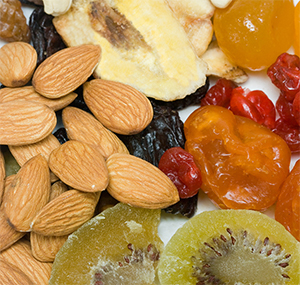
  1. Seeds/Nuts (especially on top of yogurt or salads)
    • Rich in both calcium and/or phosphorous, yet low in sugar
    • Helps to rebuild and protect tooth enamel
    • Try snacking on nuts like: almonds, walnuts, cashews, Brazil nuts
    • For those with nut allergies: sunflower seeds, sesame seeds, flax seeds, pumpkin seeds
  2. Kale chips
    • High in calcium to strengthen teeth
    • Contains folate: a B vitamin that helps promote a healthy mouth, both inside and out
    • Other leafy greens include: broccoli, spinach, collard greens, bok choy, okra
  3. Celery with hummus, or with peanut butter topped with raisins
    • Chewing this firm vegetable promotes more saliva; saliva neutralizes cavity causing bacteria
    • Abrasive substance that naturally cleans teeth of plaque and other food particles
    • Also try other crunchy veggies like: carrots, cucumbers, cauliflower
  4. Apples (raw or dried apples)
    • Contains many beneficial nutrients and vitamins; apples are high in fiber and water
    • Similar characteristics to celery (abrasive and crunchy), and a good alternative if you can't brush and/or floss right after meals
    • Leaving cut apple slices out overnight removes most of the water, but you won't have to worry about any preservatives or added sugar
  5. Frozen grapes
    • Rich in antioxidants to fight bacterial growth
    • Low levels of starch prevent bacterial infections (less acidic environment)
    • A good source of vitamin C: a vitamin essential for protecting teeth and gum cells

Evidently, the most ideal foods contain high levels of vitamins, calcium and/or phosphorus. All of these nutrients strengthen your teeth, reduce the potential for tooth decay, and fight against cavity-causing bacteria. Although these snacks help to prevent and minimize cavities, they do not eliminate them; to further avoid cavities, it is crucial to continue practicing good oral hygiene.

Monday, January 15, 2018

Russian Mushroom and Potato Soup


Nothing beats the comfort of a warm and filling bowl of soup on a cold, snowy day. Here's a simple and delicious comfort soup recipe for you and your family to enjoy.

Prep Time: 20 mins

Total Cooking Time: 40 mins

Ingredients:

  • 5 tbsp. butter, divided
  • 2 leeks, chopped
  • 2 large carrots, sliced
  • 6 cups chicken broth
  • 2 tsp. dried dill weed
  • 2 tsp. salt
  • 1/8 tsp. ground black pepper
  • 1 bay leaf
  • 2 lbs. potatoes, peeled and diced
  • 1 lb. fresh mushrooms, sliced
  • 1 cup half-and-half
  • 1/4 cup all-purpose flour
  • Fresh dill weed, for garnish (optional)

Directions:

  1. Melt 3 tablespoons butter in a large saucepan over medium heat. Mix in leeks and carrots, and cook 5 minutes. Pour in broth. Season with dill, salt, pepper, and bay leaf. Mix in potatoes, cover, and cook 20 minutes, or until potatoes are tender but firm. Remove and discard the bay leaf.
  2. Melt the remaining butter in a skillet over medium heat, and saute the mushrooms 5 minutes, until lightly browned. Stir into the soup.
  3. In a small bowl, mix the half-and-half and flour until smooth. Stir into the soup to thicken. Garnish each bowl of soup with fresh dill to serve.

Recipe courtesy: All Recipes


Tuesday, January 9, 2018

Smoking and Oral Health


How Smoking Affects Your Teeth
The effects of smoking have been the focus of health campaigns for many years now. Campaigns often focus on lung and heart problems linked to smoking.
While the effects of tobacco on your lungs and heart may be out-of-sight, out-of-mind, the effects on your oral health are left on display each time you flash a smile. Smoking contributes towards many dental problems including, but not limited to the following:
  • Smoking increases the risk of oral cancer, which can progresses rapidly and can be deadly if not diagnosed and treated early.
  • Smoking also increases the risk of gum disease, one of the leading causes of adult tooth decay and loss.
  • Smoking tends to delay healing after oral surgery.
  • Smoking damages gum tissue, causing receding gums, temperature sensitivity and eventual tooth loss.
  • Smoking can cause bad breath.
  • Smoking affects the senses of taste and smell.
Even if you're not inhaling, you are still at risk of developing many of these issues. While smoke is detrimental to your lungs, your oral health is more vulnerable to the toxins in cigarettes and cigars as they increase the risk of oral cancer and gum disease. Even 'smokeless' tobaccos contain these toxins.
The only way of protecting your tooth and gums is quitting smoking all together.
Here are a few tips to help with your quitting process:
  • Exercise
    Gaining weight is inevitable when you quit smoking. According to the smoking cessation program at Ottawa Heart Institute, a smoker's metabolism is 2-3% faster than a non-smoker. In order to combat the weight gain, going for a walk, joining the gym, or starting any other physical activity that you may enjoy will help bridge the gap and provide countless other positive benefits.
  • Eat healthy food and snacks
    Eating lots of fresh food, vegetables, and whole grain foods help with keeping you full and energized to last through the day. Not only that, these foods also add to a healthy living lifestyle.
  • Ask your loved ones for support
    Tell your friends, family, and people you're close with that you're trying to quit smoking. This builds a support system that may help you every time you are tempted to light a smoke.
  • Reward yourself
    One of the reasons people smoke is because it helps them relax. Once you quit smoking, you can use money saved to reward yourself and relax by getting a monthly massage, starting a new hobby, or going to a show.
  • Drink plenty of water
    Drink at least 6-8 glasses of water per day to flush the nicotine out of your system. Avoid drinking alcohol or caffeine, especially in the first few weeks of quitting because these trigger the need to light a smoke and make you more nervous and anxious.
  • Try Again
    Quitting smoking is not easy. There may be times when you relapse. And that's okay. Recognize the road to quitting smoking is a long and bumpy one. A University of Toronto research study suggests it may take a smoker 30 attempts or more to go a full year without any cigarettes. Don't feel discouraged. Instead, think of what pushed you to light that cigarette and work on those reasons.

If you need more help or suggestions with quitting or want to assess the consequences on your oral health, contact us today.

Wednesday, December 20, 2017

Healthy Snack Ideas and Tips to Maintain Healthy Teeth


If you want to maintain strong teeth for your lifetime, you need to ensure you are eating enough whole grain breads and cereals, fruits and raw vegetables and lean meats.

Some Other Healthy Snack Choices Include:


  • nuts and seeds
  • peanut butter
  • cheese
  • plain yogurt
  • popcorn

Acid Erosion and Dental Decay:

There are some drinks and snacks that are bad for your teeth and may contribute to acid erosion. Acid erosion happens when food or drink with a low PH level (more acidic) are consumed. That acid can linger in your mouth, taking the minerals away and softening the surface of your teeth. This makes your teeth more susceptible to damage and often leads to increased sensitivity and may require treatment. The big offenders seem to be soft drinks, orange juice, and lemonade.

Nutrition Tips

  • Try to avoid acidic food and drink between meals; there isn't as much saliva in your mouth at these times to protect your teeth (saliva is the mouth's natural cleanser).


  • Don't clean your teeth right after eating. If you brush while your oral PH balance is low and more acidic, you can brush some of your tooth surface away. If you wait about an hour the saliva will help your teeth battle and balance the acidic environment so it is safe to brush.
  • Try to finish your breakfast, lunch, or dinner with a little cheese or milk as these products help cut down on the acid in your mouth.


A Little Note About Sweets!

When it comes to your teeth, it's not about the amount of sweets you eat, but the length of time that you leave your teeth exposed to sweets. So it's better to eat sweets at mealtimes rather than between meals, as the amount of saliva produced at mealtimes will help protect your teeth.

If you cannot avoid sweets between meals, choose something with less sugar like those listed above. Sticky sweets like toffee or hard candy should be avoided as snacks.


--Sara Agnew, RDH

Tuesday, December 12, 2017

Are Your Teeth Appearing Taller?

As we age there is no reason why your smile has to be 'long in the tooth'! It is not the case that as we age our gums naturally recede. If you notice that your crowns are getting longer it is important to have your dentist examine your teeth.

What Causes Gums to Recede?
Some reasons include:

  • Overaggressive brushing - your enamel at the gum line can be worn away by scrubbing the sides of the teeth.
  • Lack of proper oral hygiene - without regular brushing and flossing bacteria builds up in between the teeth.
  • Using chewing tobacco adversely affects the mucus membrane lining in your mouth and can cause your gums to recede.
  • A poorly placed tongue or lip piercing can cause your gums to recede.
Receding gums can be difficult to detect and will occur over time. If you are experiencing any of the following symptoms contact your dentist:
  • Increased sensitivity to hot, cold or touch.
  • Teeth appear 'longer' than they once did.
  • Roots are exposed an visible.
  • Tooth feels notched at the gum line
  • Change in tooth colour.
  • Spaces between teeth seem to be growing.
  • Cavities below the gum line.
The key to treating receding gums is to identify the cause. Once identified treatment can often times be quite simple. If overaggressive brushing is the cause switching to a softer toothbrush and using a gentler brushing technique can help. If poor plaque control is the issue regular dental cleanings and improved oral hygiene are a must. In more severe cases we may have to perform an in office procedure which will halt the bacteria's destruction of your gums and bone.

With some easy steps and regular consultations with your dentist your smile and beautiful gumline can last you a lifetime.

Tuesday, December 5, 2017

Link Between Oral Health and Heart Health

Oral health is important for your overall health! Many people are living with gum disease and don't even know it! Often patients feel fine as gum disease is not painful and they avoid going to the dentist.

Today, I am going to discuss how your oral health can affect your heart health.

Studies have found people with gum disease in moderate to advanced stages are at a greater risk for heart disease than someone with healthy gums. The spread of bacteria is what links oral health and heart disease. The bacteria in your mouth travels from your mouth to other parts of your body through the blood stream. When the bacteria from your mouth travels through the blood stream it attaches to areas of the heart causing inflammation. Endocarditis is an infection of the inner lining of the heart, this can occur from the bacteria in your mouth traveling to the heart.

People with chronic gingivitis and periodontal disease (gum disease) have a high risk for heart disease caused from poor oral health. Especially if the oral health condition is unmanaged.

What to look for in your mouth to help determine if you have gum disease:

  • Red, swollen gums.
  • Your gums bleed when you brush, floss or eat.
  • You see pus around the gums and teeth.
  • Your gums look like they are pulling away from your teeth.
  • You experience a bad taste or odour in your mouth.
  • Your experiencing loose teeth or feel like spaces are opening between your teeth.

How to prevent gum disease that is related to heart health:

  • Brush your teeth two times a day for two minutes each time.
  • Floss daily!
  • Drink plenty or water. (6 to 8 glasses a day)
  • Visit your dental hygienist regularly for a professional cleaning (every 3 to 6 months)

Tuesday, November 28, 2017

Movember!


November is Movember, a month of action to help stop men dying too young. The team at Dr. Ian Gray Dental Group, once again is proud to sport a mustache to support this cause. Please consider giving a donation to the Movember Foundation. Thank you!
Click here to learn see the rest of the team!

Tuesday, November 21, 2017

6th Annual Food Drive


Fall Sun Catcher


What you will need:
  • fall leaves
  • fishing line
  • Mason jar lids (just the outside rings)
  • scissors
  • colorful beads
  • a hole punch
How to make:

Punch holes in the leaves and string with a one to two foot length of fishing line, securing with a knot.

Invite your child to string on as many, or as few, beads as she or he would like. When the lengths are finished, they can tie them onto the mason lid. About four or five beaded leaf strings creates a nicely balanced mobile. Finish things off with a one to two foot piece of ribbon or twine for hanging in an entry way or corner of a room near a window.

Happy Fall!!


Jennifer Bergeron 

Tuesday, November 14, 2017

How to Make Pumpkin Spice Loaf


Ingredients:
  • 1 1/2 cups all-purpose flour
  • 1 teaspoon baking soda
  • 1 teaspoon ground nutmeg
  • 1 teaspoon ground cinnamon
  • 1 teaspoon ground cloves
  • 1/2 teaspoon baking powder
  • 1/2 teaspoon salt
  • 4 eggs
  • 1 cup white sugar
  • 1/4 cup light brown sugar
  • 1/2 teaspoon vanilla extract
  • 3/4 cup canned pumpkin
  • 3/4 cup vegetable oil
Recipe
  1. Preheat oven to 350 degrees F (Grease a 8-1/2x4-1/2-inch loaf pan.
  2. Combine flour, baking soda, nutmeg, cinnamon, cloves, baking powder, and salt together in a large bowl.
  3. Beat eggs, white sugar, brown sugar, and vanilla extract in a large bowl with an electric mixer on high speed until combined, about 30 seconds. Beat in pumpkin and oil. Add flour mixture; mix until batter is blended and smooth.
  4. Pour batter into the prepared loaf pan.
  5. Bake in the preheated oven until the top is dark brown and a toothpick inserted into the center of the bread comes out clean, about 70 minutes. Let cool in the pan, about 30 minutes. Invert onto a wire rack and slice it into 1-inch thick slices.
This bread freezes perfectly. Simply seal any leftover slices in a resealable plastic bag or wrap them in plastic and pop them into the freezer. To serve, microwave one frozen slice on high for about 45 seconds and it'll taste like it just came out of the oven!

Kristine Lundy
RDH

Tuesday, November 7, 2017

Tooth Staining

 
A smile is usually the first thing people notice and can cause a huge impact on peoples self esteem, and can be a source of embarrassment if color is the issue. Color of teeth are particularly a huge importance in a lot of people and is one of the largest reasons people seek dental treatment to improve their appearance. If the known cause of the staining can be determined, it can determine the proper dental treatment to achieve the best possible results.

There are two types of tooth staining:
  1. Intrinsic staining: are created from an impression of the person's gums and teeth. They provide the best protection due to their custom fit, comfort and cushioning effect. They are custom made by a dental professional.
  2. Extrinsic Training: can be purchased at sports stores and molded at home. The sports guard material is softened in boiling water and then formed directly on the upper teeth. They cost less than custom guards but do not fit well and provide limited protection.
The source of the stain can often be identified by color, life style, diet, oral self care which helps determine the most effective way for removal.
  • Yellow: Plaque buildup on tooth due to lack of oral hygiene. Treatment: Proper home care to remove plaque.
  • Green: Most common in children with enamel irregularities; inadequate daily plaque removal. Treatment: Proper home care and removal.
  • Black line: A persistent stain from iron in saliva or oral solution. Treatment: professional scaling and polishing.
  • Brown: Tobacco tar, food, and beverage pigmentation, lack of brushing. Treatment:Professional scaling and polishing.
  • Yellowish brown: Stannous fluoride and chlorhexidene in mouth rinse. Treatment:Professional scaling and polishing
  • Orange: Chromogenic  bacteria from very poop oral hygiene. Treatment: Professional cleaning and proper plaque removal at home.
  • Blue-green: Exposure to mercury and led dust. Treatment: Professional cleaning
Proper oral hygiene is key in keeping a healthy smile. If you have concerns regarding the color of your own teeth, ask your dental hygienists for the right action plan for you to achieve a smile you can be proud of.

Sara Haire
RDH